Industry
Healthcare
Client
Southwest Airlines
Role
Lead Product Designer
Bagged & Tagged: Designing the Lost Luggage Lifeline
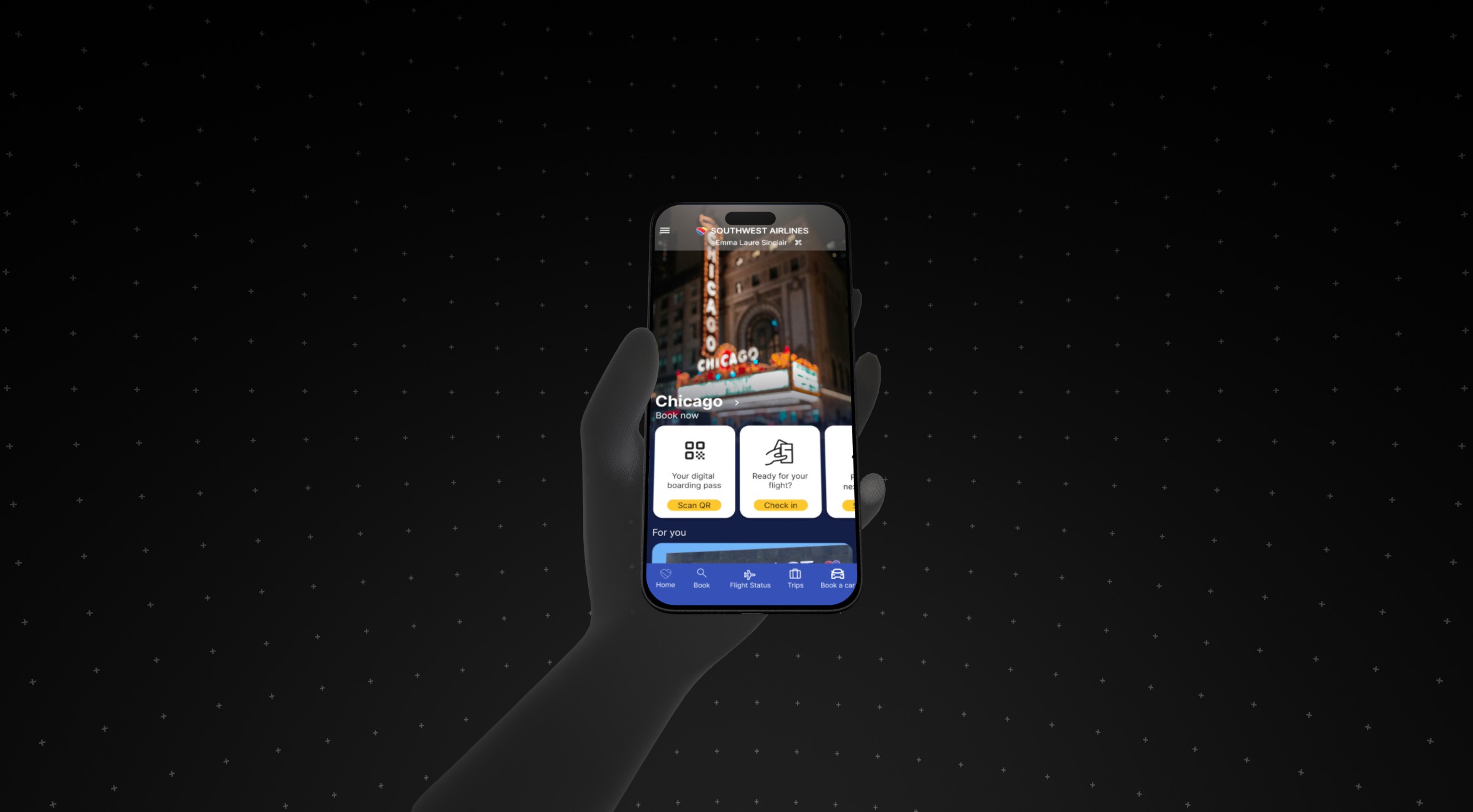
This App Doesn’t Leave You at Baggage Claim
As the Lead Product Designer on this project, I led the end-to-end redesign of Southwest Airlines’ lost luggage claim experience, turning a stressful and outdated process into a clear, user-friendly journey for passengers. My responsibility was to translate complex business requirements and emotional user needs into a digital experience that passengers could trust when facing one of the most frustrating travel disruptions.
I conducted user interviews, built affinity maps in FigJam, and tested prototypes to uncover recurring pain points and transform them into actionable design solutions. By leveraging Figma for hi-fi prototypes and aligning the interface with Southwest’s brand identity, I delivered a product vision that balanced simplicity, accessibility, and trust.
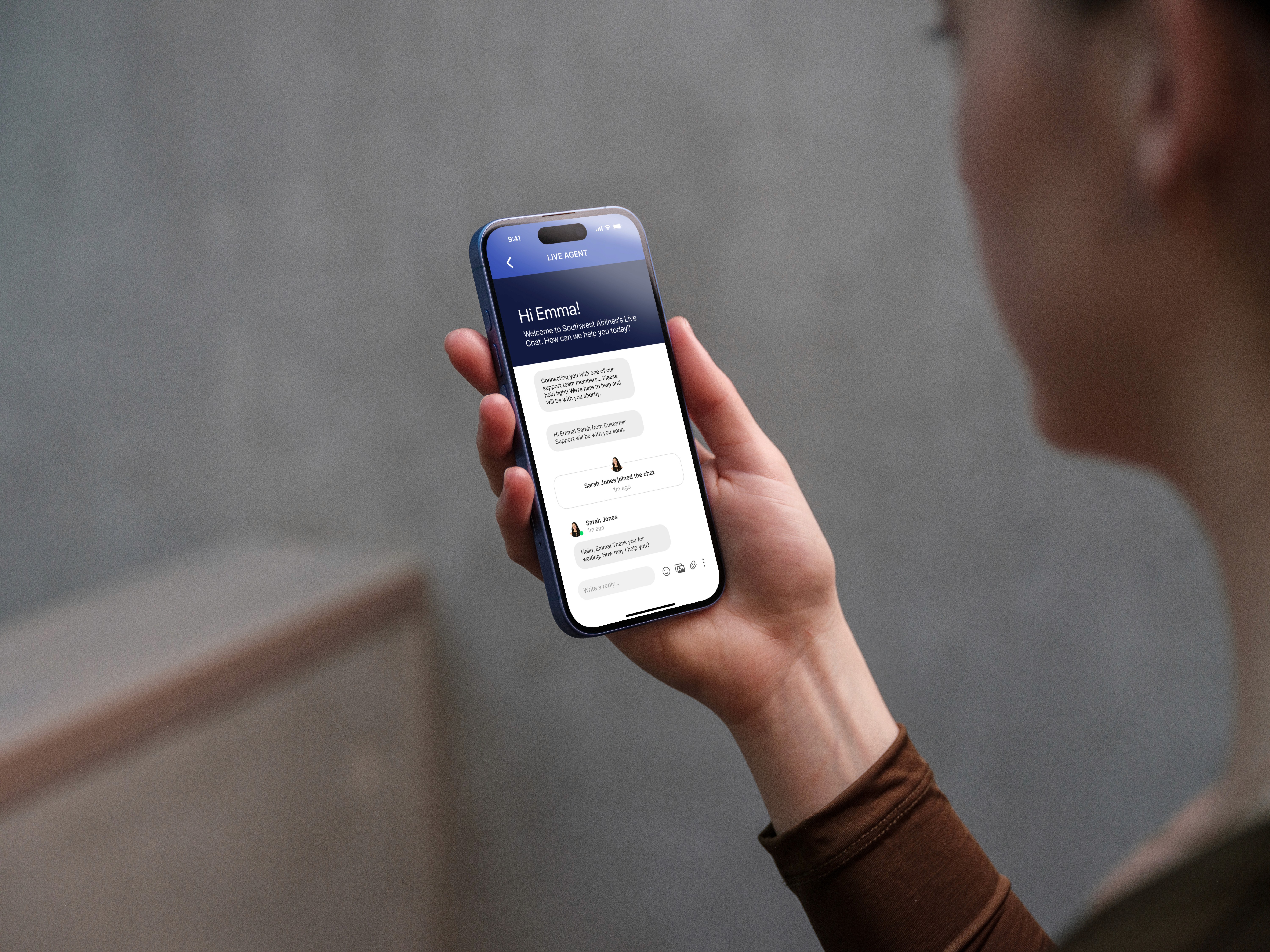
The outcome was a design that gave anxious travelers real-time updates, clear compensation options, and live support — empowering them with clarity and control in moments of high uncertainty. From research to polished interface, I ensured the final solution was not only functional but also empathetic, turning a common source of dissatisfaction into an opportunity to build customer loyalty.
As the Lead Product Designer on this project, I led the end-to-end redesign of Southwest Airlines’ lost luggage claim experience, turning a stressful and outdated process into a clear, user-friendly journey for passengers. My responsibility was to translate complex business requirements and emotional user needs into a digital experience that passengers could trust when facing one of the most frustrating travel disruptions.
I conducted user interviews, built affinity maps in FigJam, and tested prototypes to uncover recurring pain points and transform them into actionable design solutions. By leveraging Figma for hi-fi prototypes and aligning the interface with Southwest’s brand identity, I delivered a product vision that balanced simplicity, accessibility, and trust.
The outcome was a design that gave anxious travelers real-time updates, clear compensation options, and live support — empowering them with clarity and control in moments of high uncertainty. From research to polished interface, I ensured the final solution was not only functional but also empathetic, turning a common source of dissatisfaction into an opportunity to build customer loyalty.
As the Lead Product Designer on this project, I led the end-to-end redesign of Southwest Airlines’ lost luggage claim experience, turning a stressful and outdated process into a clear, user-friendly journey for passengers. My responsibility was to translate complex business requirements and emotional user needs into a digital experience that passengers could trust when facing one of the most frustrating travel disruptions.
I conducted user interviews, built affinity maps in FigJam, and tested prototypes to uncover recurring pain points and transform them into actionable design solutions. By leveraging Figma for hi-fi prototypes and aligning the interface with Southwest’s brand identity, I delivered a product vision that balanced simplicity, accessibility, and trust.
The outcome was a design that gave anxious travelers real-time updates, clear compensation options, and live support — empowering them with clarity and control in moments of high uncertainty. From research to polished interface, I ensured the final solution was not only functional but also empathetic, turning a common source of dissatisfaction into an opportunity to build customer loyalty.
Design Goal
Design Goal
How might I create a transparent, accessible, and reassuring lost luggage experience that provides passengers with timely updates and empowers them with clarity and control during a stressful journey?
Conducted Research About the Broken Experience for Lost Luggage
Challenge: Southwest passengers often felt helpless and frustrated when their bags were lost, with no clear updates, difficult policies, and limited compensation guidance.
Action: I led user research interviews, affinity mapping, and competitive analysis to uncover the biggest pain points — lack of updates, unclear compensation rules, and poor navigation. I distilled these findings into design goals that shaped the foundation of the app experience.
Impact: I defined a clear direction for the project, ensuring the design addressed real passenger concerns while meeting business constraints. This gave Southwest a customer-first approach to one of its largest sources of dissatisfaction.

Simplified Complex User Flow Without Overwhelming Users
Challenge: The lost luggage process requires juggling technical details, policies, and updates without confusing already-anxious travelers.
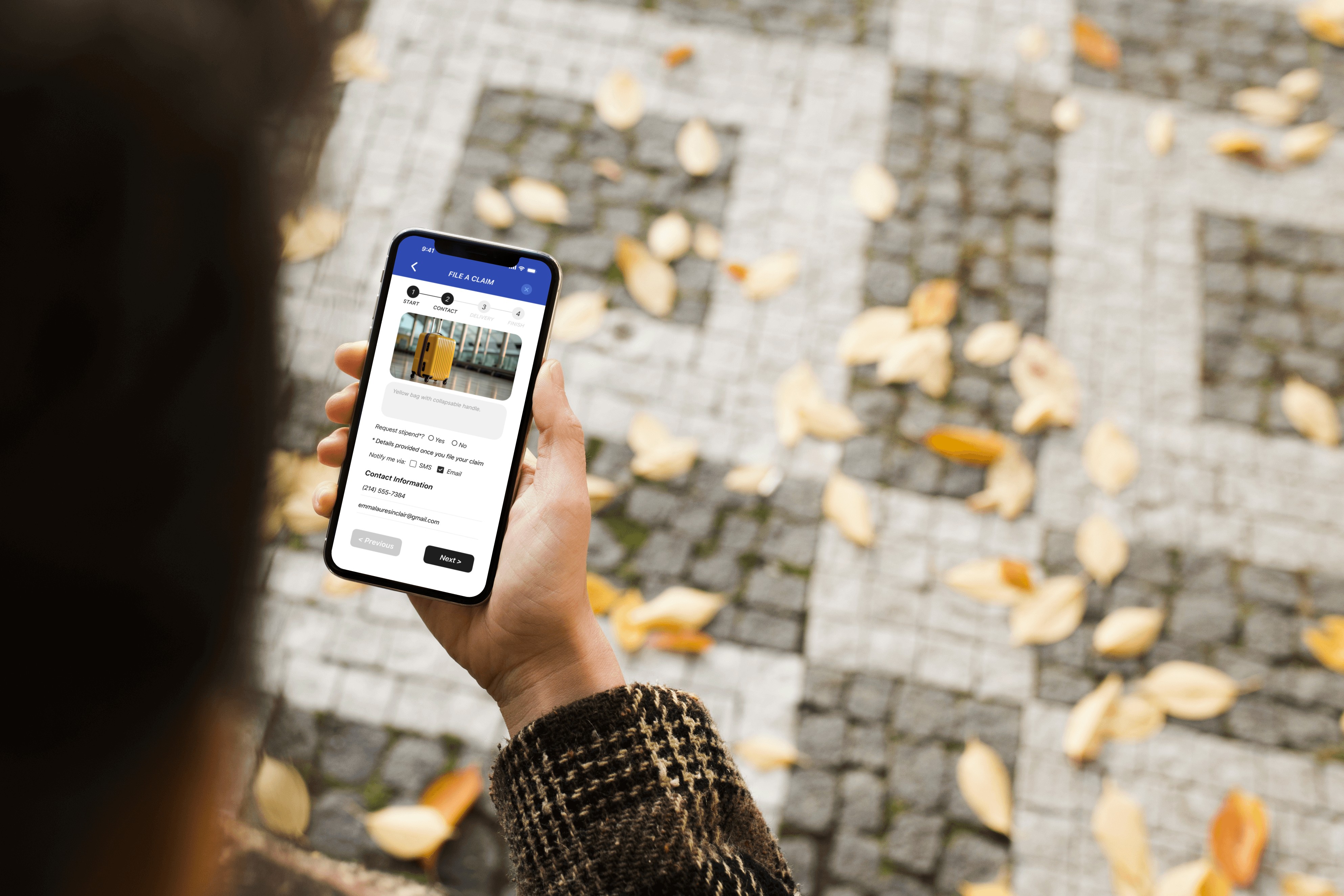
Action: I broke down the claims process into intuitive, step-by-step flows, and used Apple’s Human Interface Guidelines in Figma to build accessible, reusable components. This ensured consistency across screens while reducing design and development time.
Impact: I transformed a complex, anxiety-inducing process into a streamlined journey that passengers of all ages and tech experience could navigate effortlessly.

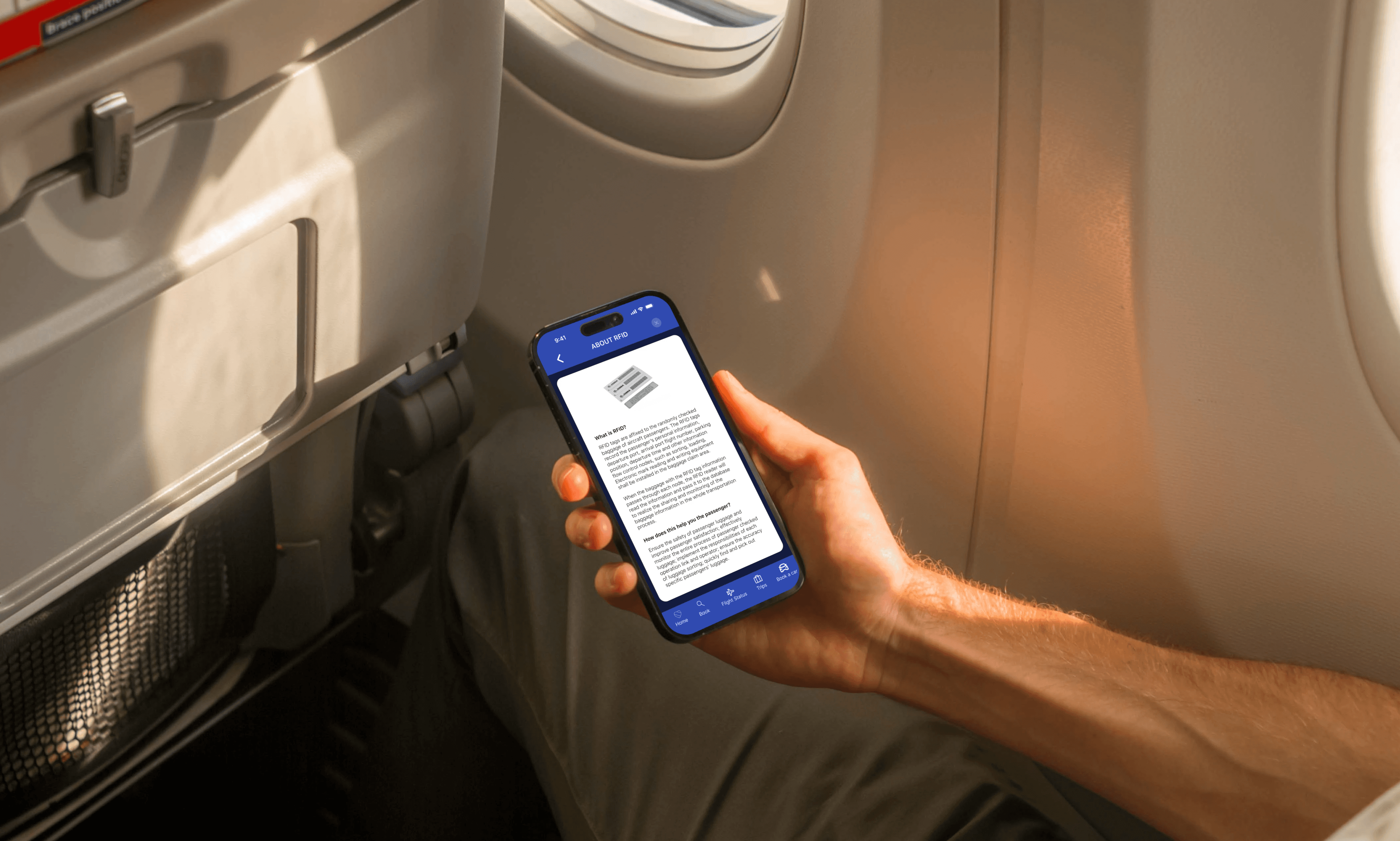
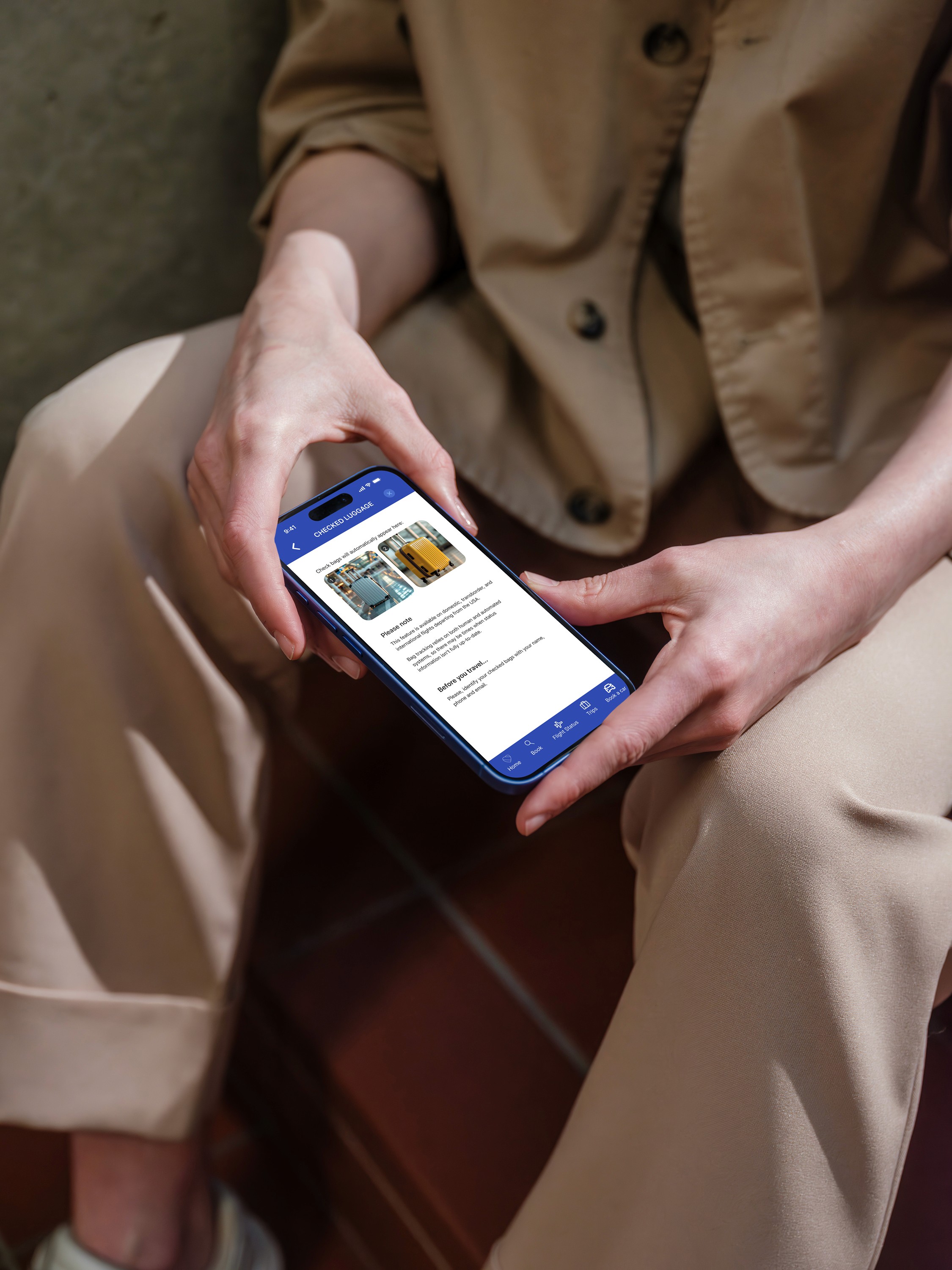
Rewrote the Lost Luggage Policies to Transparent
Challenge: Airline compensation rules are often buried in legal jargon, leaving passengers confused and upset when their baggage is delayed or lost.
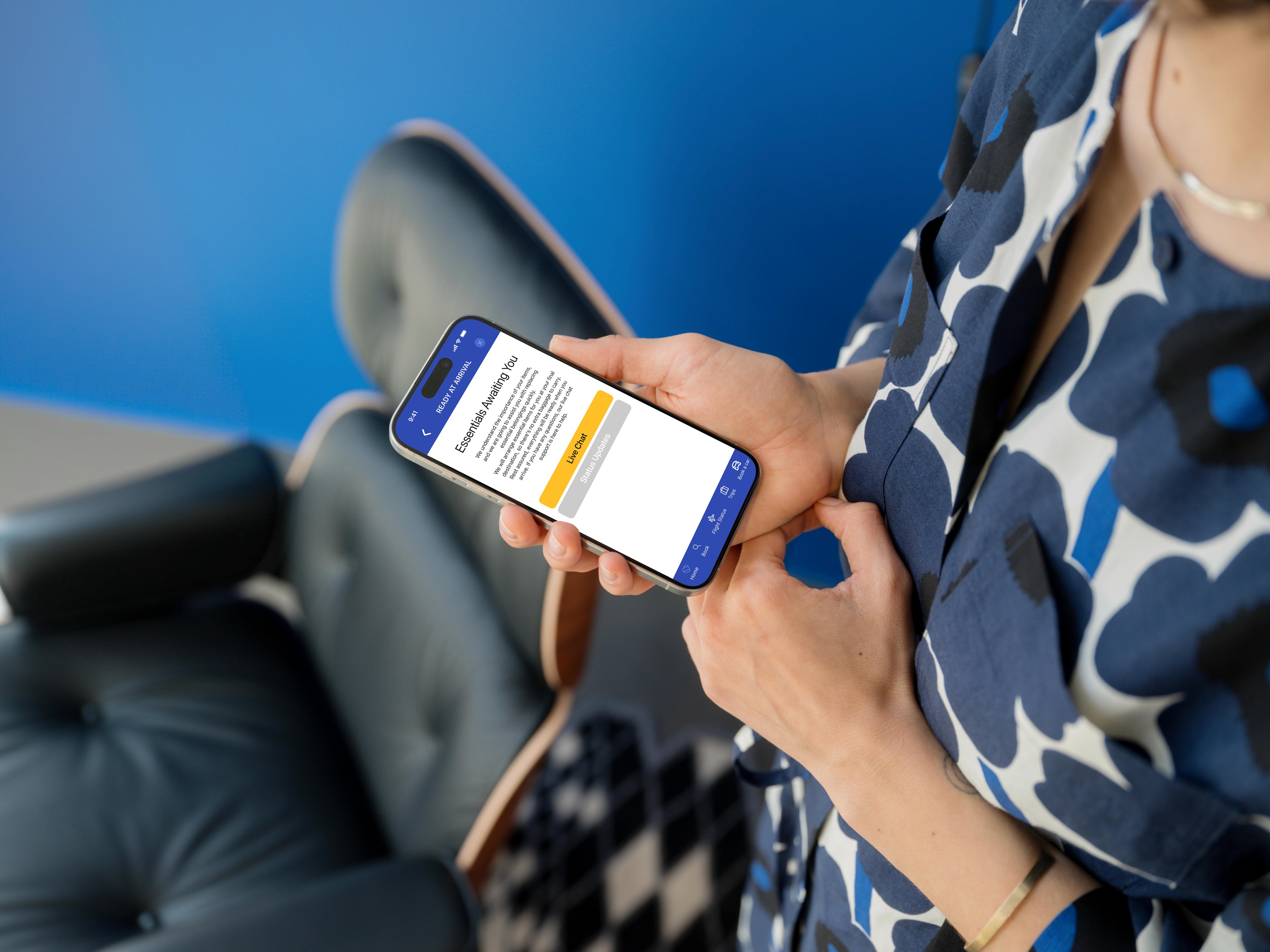
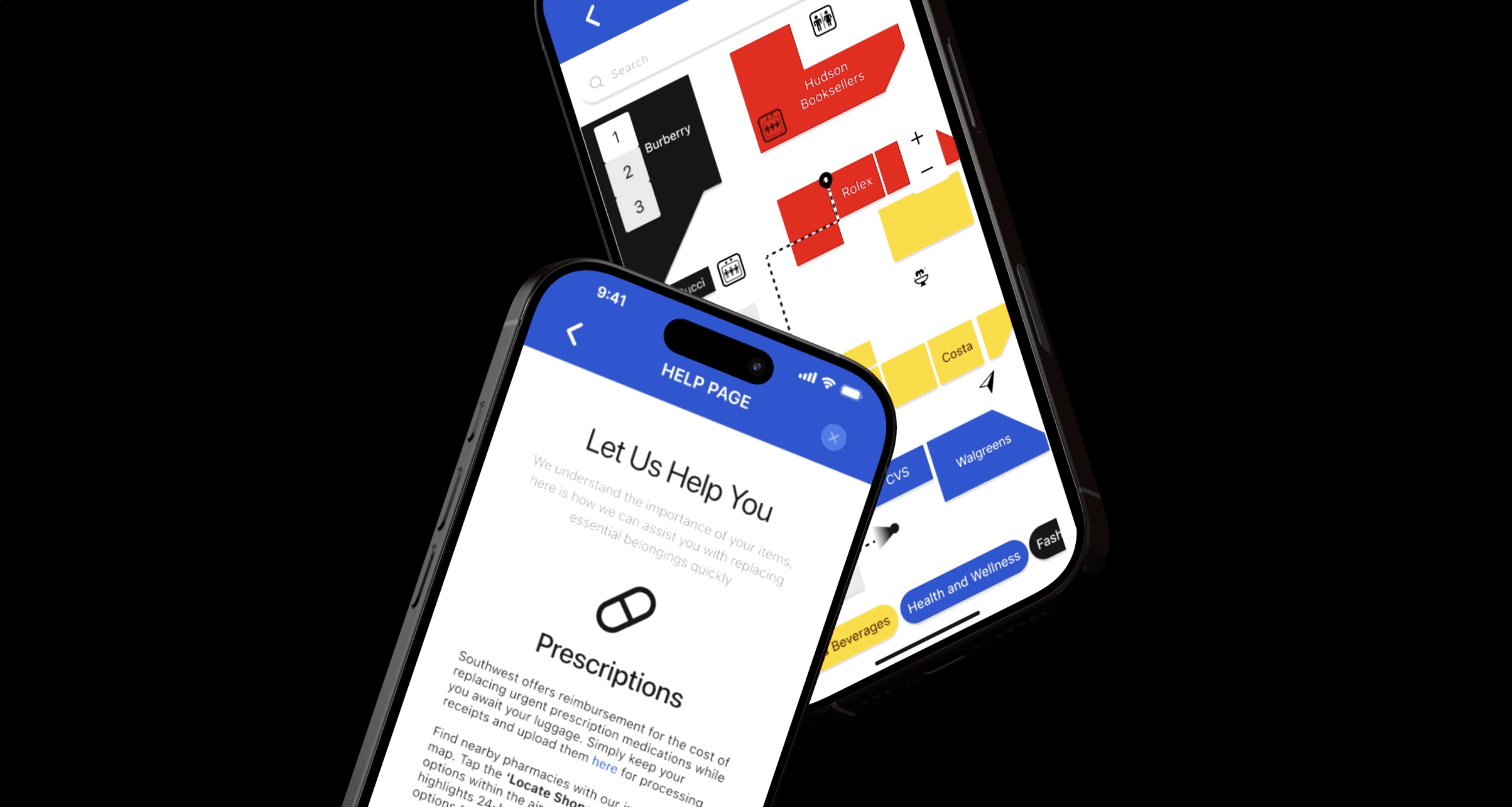
Action: I analyzed competitor policies and integrated compensation information directly into the app in plain, traveler-friendly language. I also added features like store locators for essentials and real-time claim tracking.
Impact: Passengers gained confidence and clarity in understanding their rights, while Southwest gained trust and loyalty by being transparent and helpful during stressful travel moments.
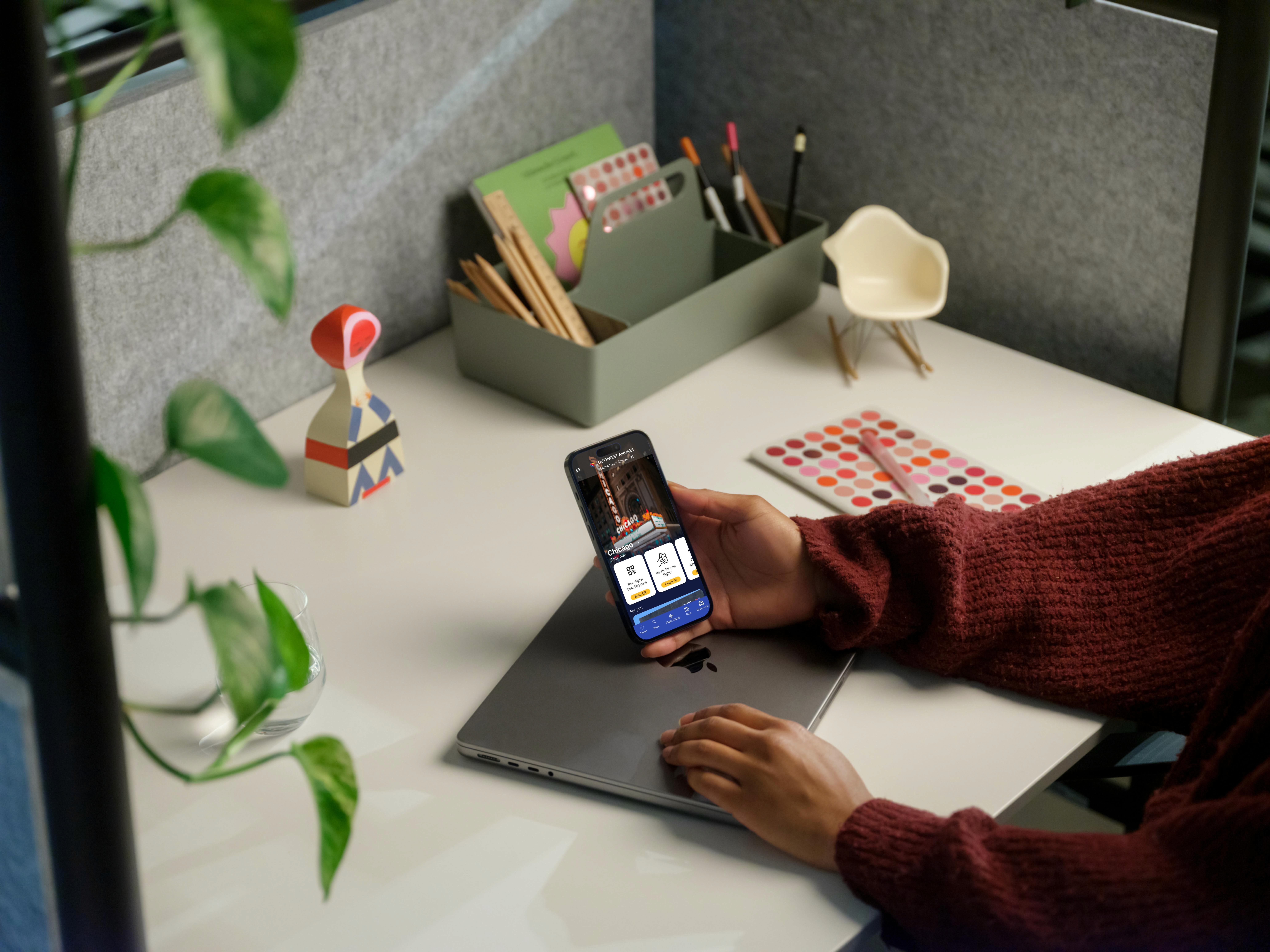
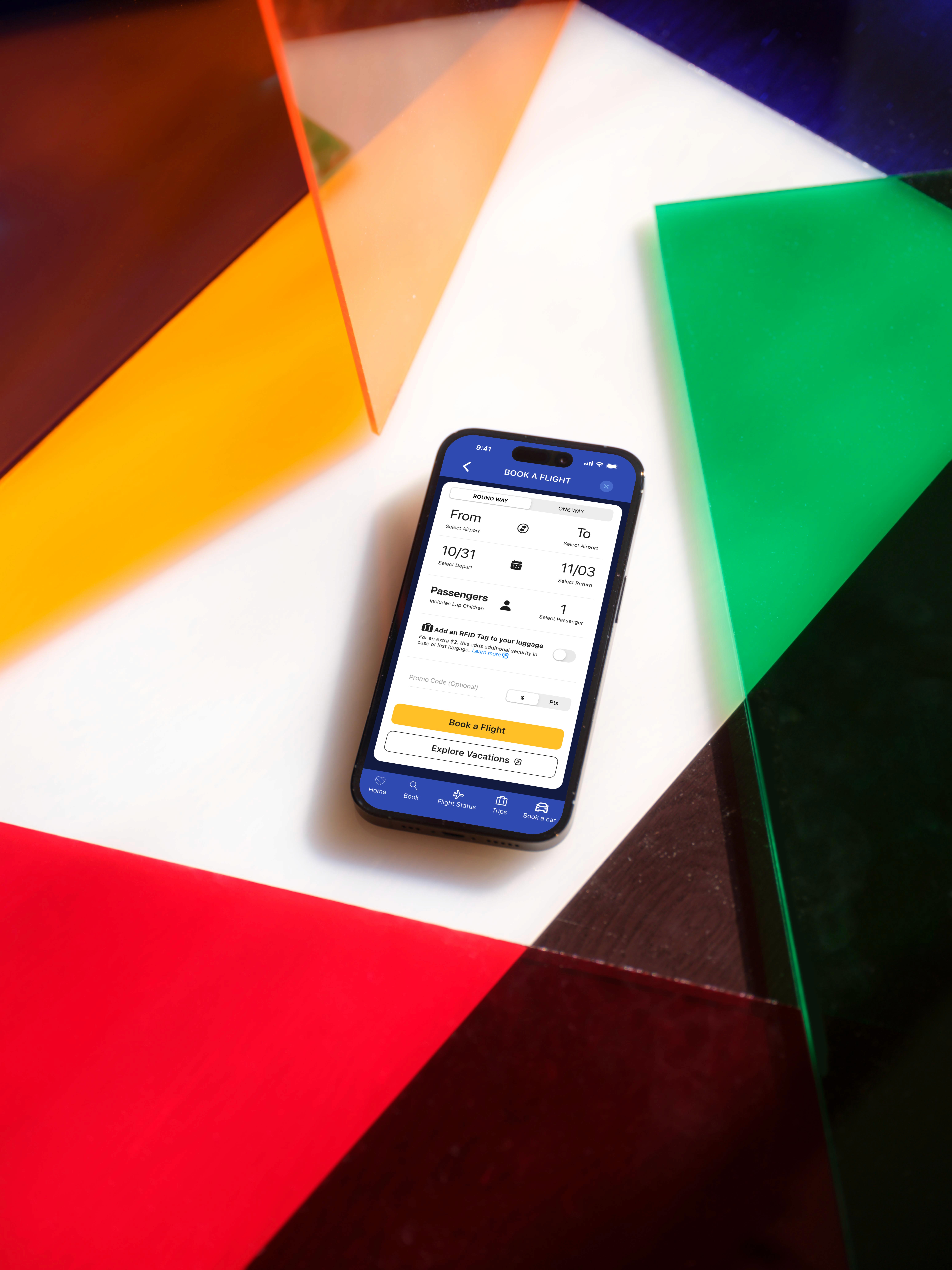
Redesigned the Southwest Airlines UI
Challenge: A prototype would only be successful if it felt production-ready and aligned with Southwest’s established brand identity.
Action: I refined the high-fidelity prototype in Figma using Southwest’s colors, typography, and tone, while introducing modern UI interactions and polished transitions. I guided the team in presenting a cohesive solution with storytelling and visuals.
Impact: The final prototype not only demonstrated design excellence but also gave Southwest a compelling, customer-centered vision for transforming one of its most painful service areas.
Conducted Research About the Broken Experience for Lost Luggage
Challenge: Southwest passengers often felt helpless and frustrated when their bags were lost, with no clear updates, difficult policies, and limited compensation guidance.
Action: I led user research interviews, affinity mapping, and competitive analysis to uncover the biggest pain points — lack of updates, unclear compensation rules, and poor navigation. I distilled these findings into design goals that shaped the foundation of the app experience.
Impact: I defined a clear direction for the project, ensuring the design addressed real passenger concerns while meeting business constraints. This gave Southwest a customer-first approach to one of its largest sources of dissatisfaction.
Simplified Complex User Flow Without Overwhelming Users
Challenge: The lost luggage process requires juggling technical details, policies, and updates without confusing already-anxious travelers.
Action: I broke down the claims process into intuitive, step-by-step flows, and used Apple’s Human Interface Guidelines in Figma to build accessible, reusable components. This ensured consistency across screens while reducing design and development time.
Impact: I transformed a complex, anxiety-inducing process into a streamlined journey that passengers of all ages and tech experience could navigate effortlessly.
Rewrote the Lost Luggage Policies to Transparent
Challenge: Airline compensation rules are often buried in legal jargon, leaving passengers confused and upset when their baggage is delayed or lost.
Action: I analyzed competitor policies and integrated compensation information directly into the app in plain, traveler-friendly language. I also added features like store locators for essentials and real-time claim tracking.
Impact: Passengers gained confidence and clarity in understanding their rights, while Southwest gained trust and loyalty by being transparent and helpful during stressful travel moments.
Redesigned the Southwest Airlines UI
Challenge: A prototype would only be successful if it felt production-ready and aligned with Southwest’s established brand identity.
Action: I refined the high-fidelity prototype in Figma using Southwest’s colors, typography, and tone, while introducing modern UI interactions and polished transitions. I guided the team in presenting a cohesive solution with storytelling and visuals.
Impact: The final prototype not only demonstrated design excellence but also gave Southwest a compelling, customer-centered vision for transforming one of its most painful service areas.


Results
Improved the lost luggage claim flow into a clear, step-by-step process that reduced confusion for passengers.
Designed a user-friendly interface that allowed even first-time flyers to navigate the app effortlessly.
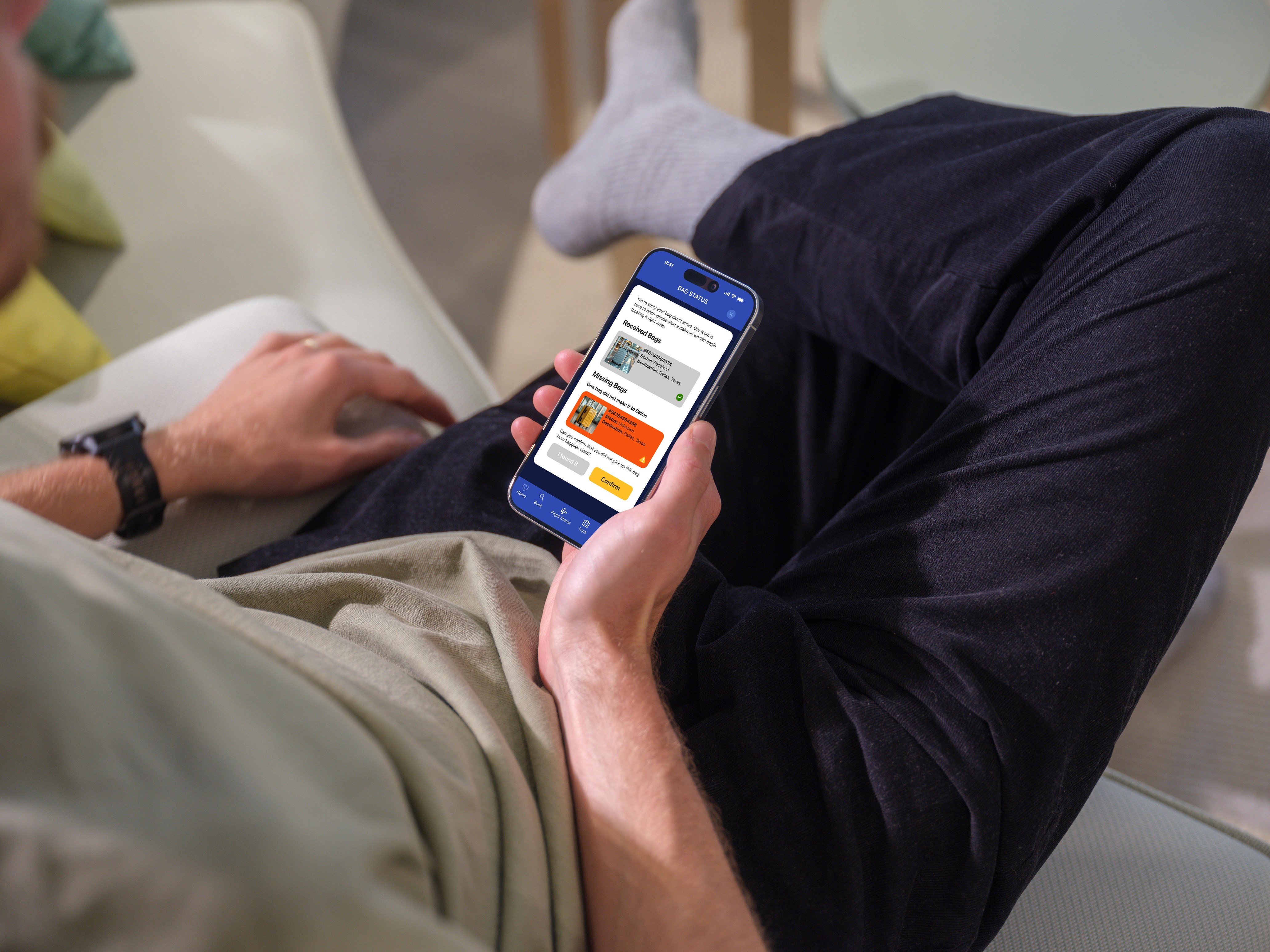
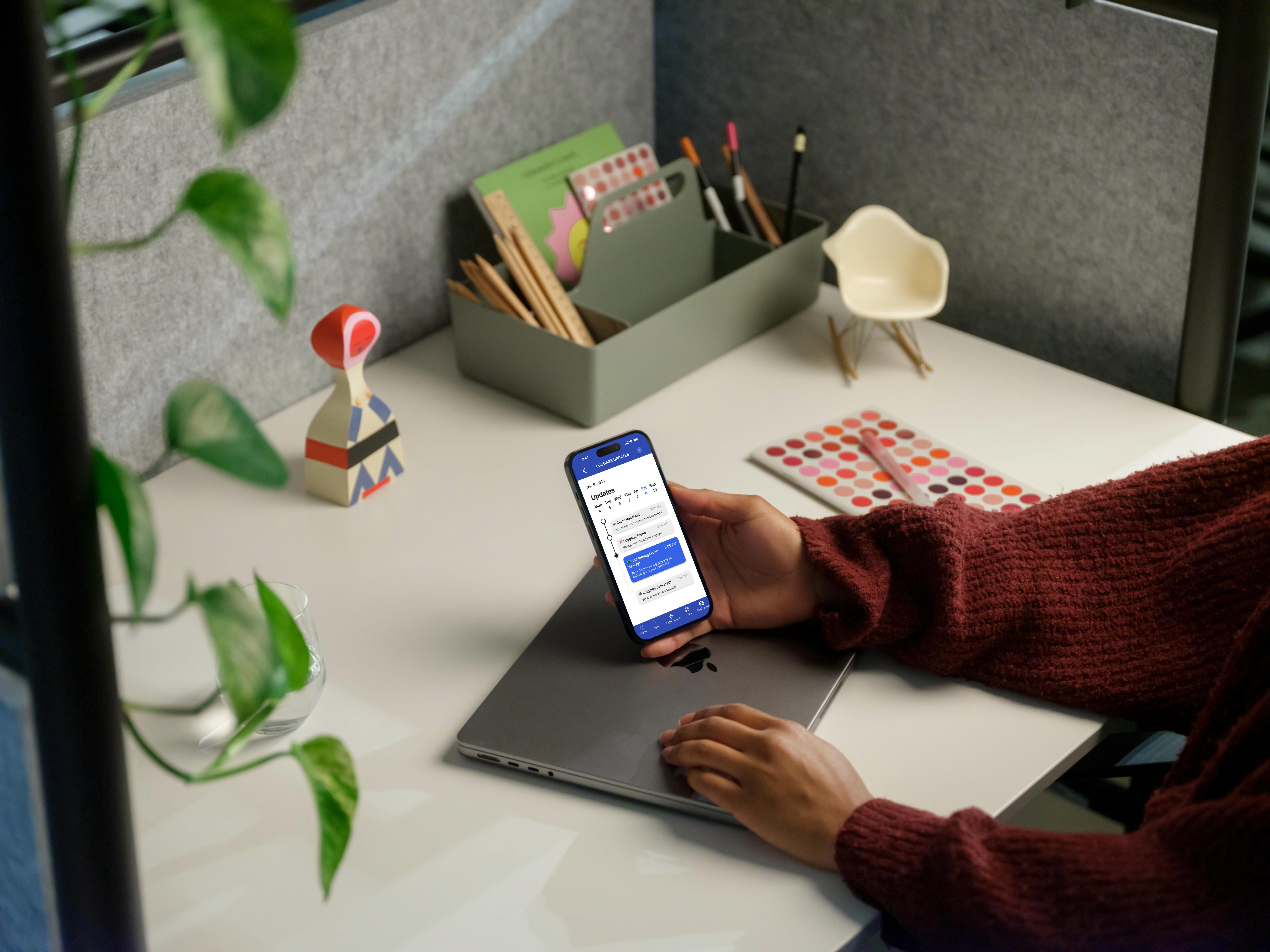
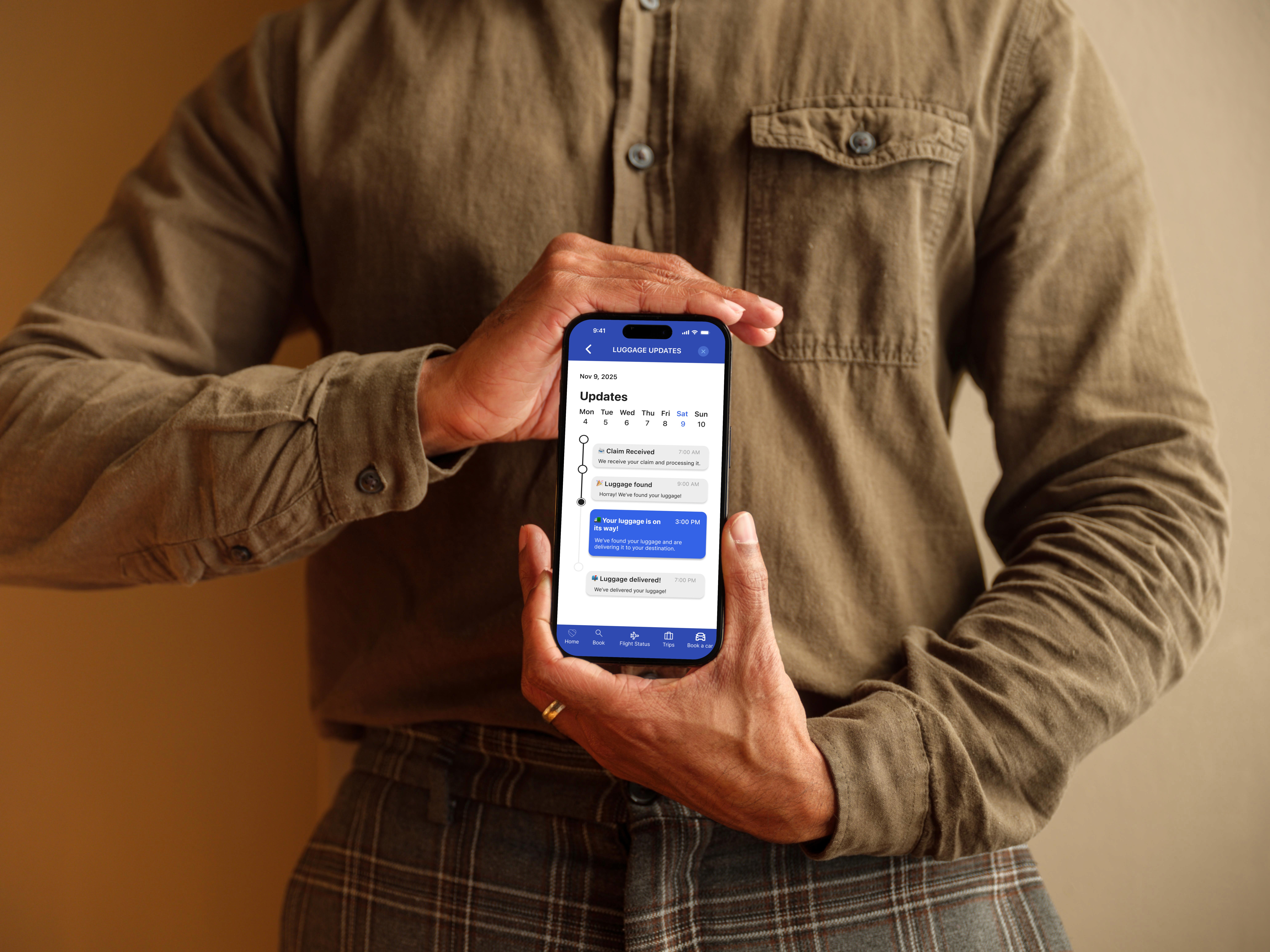
Delivered real-time updates and notifications to reassure passengers and reduce anxiety during luggage delays.
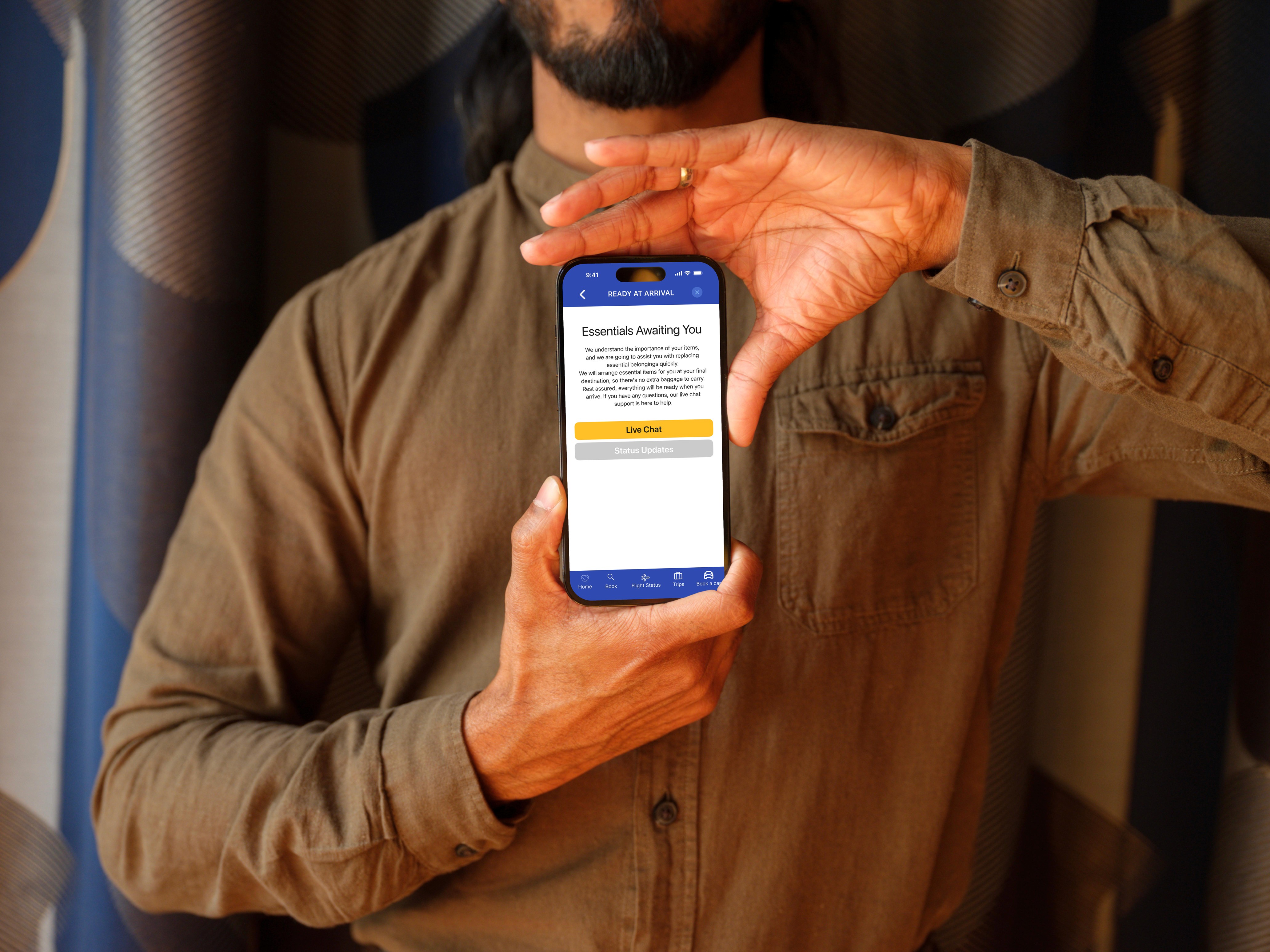
Integrated compensation and essential item guidance, helping stranded travelers regain control quickly.
Enhanced accessibility features (A11y standards), ensuring inclusivity for passengers of all abilities.
Created visual consistency with Southwest’s brand identity, reinforcing passenger trust and recognition.
Transformed a frustrating process into a transparent, supportive experience, shifting passenger perception of the airline in stressful situations.
Results
Improved the lost luggage claim flow into a clear, step-by-step process that reduced confusion for passengers.
Designed a user-friendly interface that allowed even first-time flyers to navigate the app effortlessly.
Delivered real-time updates and notifications to reassure passengers and reduce anxiety during luggage delays.
Integrated compensation and essential item guidance, helping stranded travelers regain control quickly.
Enhanced accessibility features (A11y standards), ensuring inclusivity for passengers of all abilities.
Created visual consistency with Southwest’s brand identity, reinforcing passenger trust and recognition.
Transformed a frustrating process into a transparent, supportive experience, shifting passenger perception of the airline in stressful situations.